Skylights Rooflights: Innovative Designs
Skylights: All You Need to Know Before Installation
Skylights have the ability to transform interior spaces by increasing natural light and promoting better ventilation. They are available in a range of styles, each suited to different architectural needs. However, potential buyers must consider factors like location, roofing compatibility, and maintenance requirements. Even though the benefits are apparent, issues may surface once installation is complete. Grasping these elements is crucial for anyone considering this upgrade to their home. What should homeowners know before making this important decision?
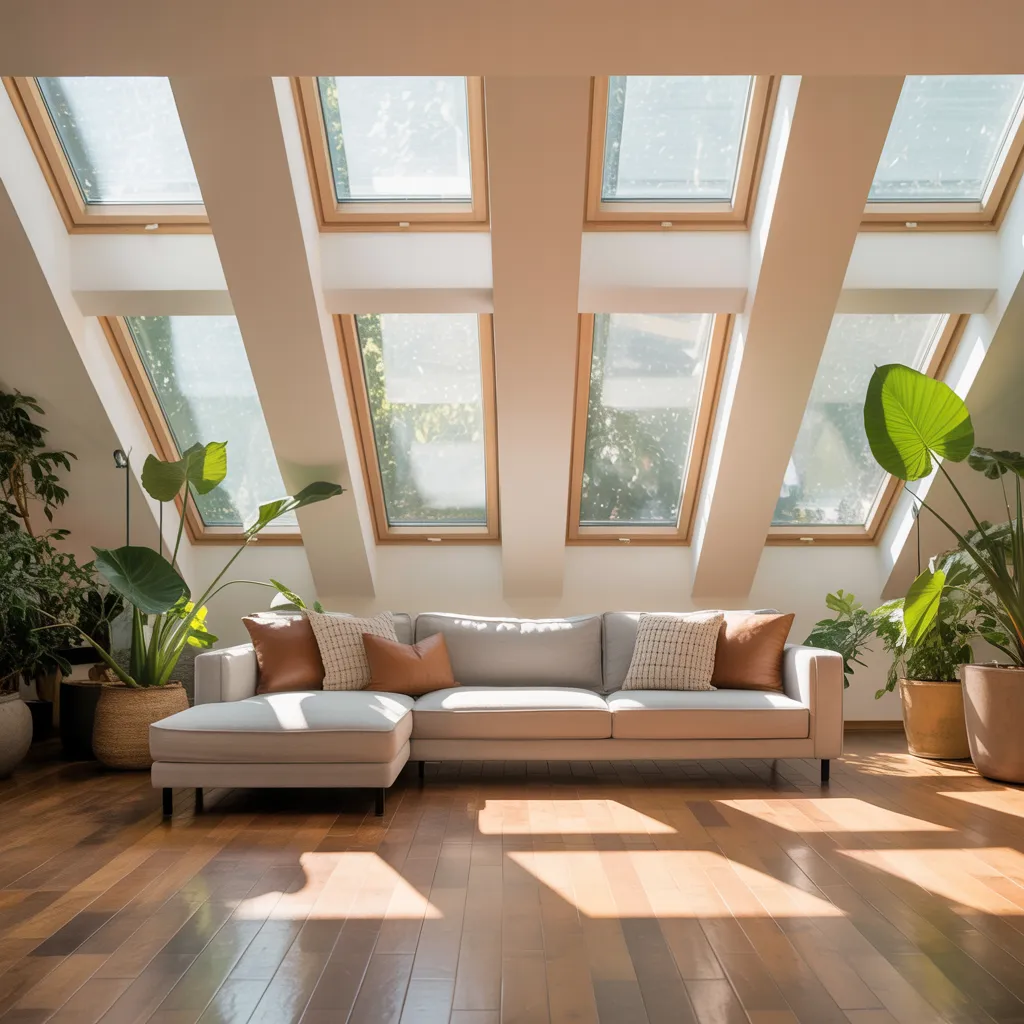
Why Skylights Make an Excellent Addition to Your Home
Skylights can transform a dimly lit room into a light-filled, appealing environment, elevating both the look and usability of the space. By enabling natural light to stream inside, they establish an atmosphere of airiness and extend the apparent boundaries of an area. This enhanced natural light not only improves well-being but may also lessen the need for artificial light sources, contributing to notable savings on energy consumption.
Moreover, skylights can enhance ventilation, particularly when functional options are installed, encouraging air movement and creating a comfortable indoor environment. They can also act as a unique architectural addition, lending beauty and distinction to different architectural styles.
Beyond practical benefits, skylights can improve the overall atmosphere, creating a more pleasant living space. Homeowners may find that the integration of these fixtures fosters a bond with the outdoors, improving their daily experience. In summary, skylights are a significant upgrade that merges beauty with utility, making them a compelling consideration for any home upgrade initiative.
Understanding Various Skylight Options
Within the realm of skylights, various styles offer distinctive advantages tailored to different needs. Fixed skylights offer a straightforward approach to increasing natural light, while ventilated skylights promote air circulation and regulate temperature. Tubular skylights, on the other hand, are designed for smaller spaces, capturing and channeling sunlight effectively.
Fixed Skylights Overview
Natural light is a key factor in enhancing the ambiance of any space, and fixed skylights provide an elegant way to introduce natural light inside. These skylights are stationary units that do not provide ventilation, yet they efficiently flood rooms with natural sunlight. Offered in numerous shapes and configurations, fixed skylights can be tailored to complement diverse architectural designs, from modern to traditional. They are typically made of durable materials such as tempered glass or acrylic, guaranteeing long-lasting performance and protection against the elements. Fixed skylights additionally lower energy expenses by decreasing reliance on artificial lighting throughout the day. Ideal for hallways, living rooms, or kitchens, these skylights create a bright, airy atmosphere while enhancing the overall aesthetic of a home.
Ventilated Skylights Advantages
While fixed skylights provide abundant natural light, ventilated skylights provide an extra benefit by enabling airflow and climate regulation. These skylights can be opened manually or automatically, promoting fresh air flow and lowering indoor humidity levels. This feature can greatly improve home comfort, especially in warmer months, by encouraging a more comfortable atmosphere. Ventilated skylights additionally contribute to improved energy efficiency, as they may decrease the need for air conditioning systems. Furthermore, they support improved indoor air quality by permitting stagnant air to exit. Homeowners can enjoy the dual benefits of natural light and ventilation, making these skylights an ideal option for areas that need both light and climate control. In summary, ventilated skylights serve as a valuable addition to any residence.
Features of Tubular Skylights
Sun tubes, often called sun tubes, are a distinctive solution for homeowners aiming to optimize daylight in smaller spaces. These systems consist of a reflective tube that funnels sunlight from a rooftop dome into interior areas, efficiently brightening rooms without extensive structural modifications. Available in various sizes, they can readily fit into tight spaces such as closets, hallways, and bathrooms. Sun tubes also offer energy-efficient designs, frequently including insulating components to reduce heat loss. Some models include variable light diffusion, enabling homeowners to control brightness levels. Additionally, they are generally easier and less expensive to install relative to traditional skylights, making them an attractive option for individuals aiming to enhance their living environments with sunlight.
What to Consider Before Installing Skylights
What factors should homeowners weigh before installing skylights? First, the position and angle of the skylight are essential. South-facing skylights are capable of introducing substantial sunlight, while north-facing options offer softer light. Homeowners must also consider the roofing material and structure; not all roofing systems are able to handle skylight installations without adjustments.
Furthermore, the weather plays an important role. In areas with substantial precipitation and snowfall, the sealing and design are essential to prevent leaks. A key concern is also energy efficiency, as incorrect installation may result in unwanted heat transfer.
Furthermore, it is important to review local building codes and regulations to ensure compliance. Seeking advice from qualified professionals can deliver important insights and assist in avoiding potential challenges during the installation process. By carefully considering these factors, homeowners can make informed decisions regarding their skylight projects.
Discovering the Benefits and Possible Downsides of Skylights
Examining the advantages and disadvantages of skylights uncovers an equilibrium between improved natural lighting and possible concerns. A notable benefit is the abundance of natural light, which can create a more inviting and spacious atmosphere, possibly decreasing the reliance on artificial lighting throughout the day. Skylights are also capable of boosting ventilation, assisting in managing interior temperatures and improving air quality.
Nonetheless, there are downsides to assess. Improper installation may result in leaks, which can cause moisture damage and mold development. Furthermore, skylights can contribute to heat buildup in warm weather periods, leading to higher energy costs for cooling. The care of skylights, which includes checking seals and cleaning the surface, can also be more challenging than traditional windows. In summary, being aware of these advantages and disadvantages is important for homeowners considering installing skylights, allowing them to make educated decisions that correspond to their personal needs and lifestyle.
Skylight Issues and How to Address Them
Skylights can enhance natural light in a space, but they also present various challenges. Typical concerns like leaks, moisture buildup, and incorrect installation are widely reported, which can undermine their overall performance. Recognizing these issues and the most suitable repair methods is necessary for ensuring the long-term performance of a skylight.
Common Skylight Issues
Numerous homeowners face common challenges with skylights that can impact both appearance and performance. One prevalent concern involves leaks, typically resulting from faulty installation or deteriorating seals. This can cause water-related damage and mold formation. An additional problem is condensation, which occurs when warm, moist air meets the cooler surface of the skylight, leading to unattractive water droplets. Furthermore, inadequate insulation may cause energy loss, producing unpleasant indoor temperature variations. Excessive sunlight glare may present difficulties as well, making rooms uncomfortably bright and causing fading of furniture and decor. Finally, dirt and debris accumulation can obstruct light flow, reducing the skylight's overall performance. Resolving these problems in a timely manner is crucial for preserving the advantages skylights offer.
Reliable Repair Solutions
Addressing common skylight issues requires effective repair solutions to restore both functionality and aesthetics. Leaks, a common issue, frequently result from faulty installation or weather exposure. To remedy this, homeowners should inspect the flashing and seals, replacing damaged components with high-quality materials. Furthermore, condensation can be reduced by maintaining adequate airflow in the adjacent space, thus averting moisture accumulation. Fractured or deteriorated glass might require substitution, whereas smaller concerns can occasionally be addressed with skylight-specific sealants. Regular maintenance, including cleaning and inspection, can further reduce the risk of future problems. By applying these measures, homeowners can improve the durability and efficiency of their skylights, guaranteeing they stay a beautiful and practical element of their residences.
What Will It Cost You to Install Skylights?
How much should homeowners budget for skylight installation? Skylight installation costs can differ significantly depending on a number of elements, including the style, size, and difficulty of the installation process. On average, homeowners may spend between $1,000 and $3,000 per skylight. This price range typically covers both materials and installation labor.
Stationary skylights tend to be priced lower than venting models, which allow for ventilation. Furthermore, the installation process may necessitate structural modifications, particularly if the roof needs reinforcement or if the skylight is installed in an established structure.
Homeowners ought to also take into account the lasting advantages, such as energy savings from natural light and decreased dependence on artificial lighting. It's advisable to obtain a number of bids from contractors to secure a reasonable rate and to validate their background in installing skylights. Ultimately, understanding these costs can help homeowners make informed decisions about improving their homes with skylights.

Frequently Asked Questions
Can Skylights Be Installed in Any Room of the House?
Skylights can be installed in a variety of rooms, including kitchens, bathrooms, and living spaces. That said, factors regarding structural integrity, moisture control, and local building codes are essential to guarantee proper installation and functionality.
How Do Skylights Impact Indoor Temperature?
Skylights can considerably influence indoor temperature by enhancing natural light, potentially warming spaces during bright days. However, improper installation or lack of shading can lead to excessive heat buildup, compromising comfort and energy efficiency within the home.
Are There Energy-Efficient Skylight Options Available?
Yes, there are energy-efficient skylight choices on the market, with options like dual or triple-layer glazing, Low-E glass coatings, and effective insulation. These characteristics improve thermal efficiency, decrease energy costs, and help maintain comfortable indoor temperatures throughout the year.
What Maintenance Do Skylights Require Over Time?
Skylights need regular cleaning, leak inspections, and evaluation edge resealing. Consistent upkeep secures peak performance and longevity, preventing moisture buildup and damage. Property owners should additionally monitor for debris collection around the skylight frame.
How Can I Select the Correct Size Skylight for My Space?
To select the correct size skylight option, it is essential to consider the room's dimensions, ceiling height, and natural light needs. A common guideline advises selecting a skylight that spans approximately 10% of the floor area of the room.